Unlocking the B2B Engine: How to Win Public Contracts Without Drowning in Bureaucracy

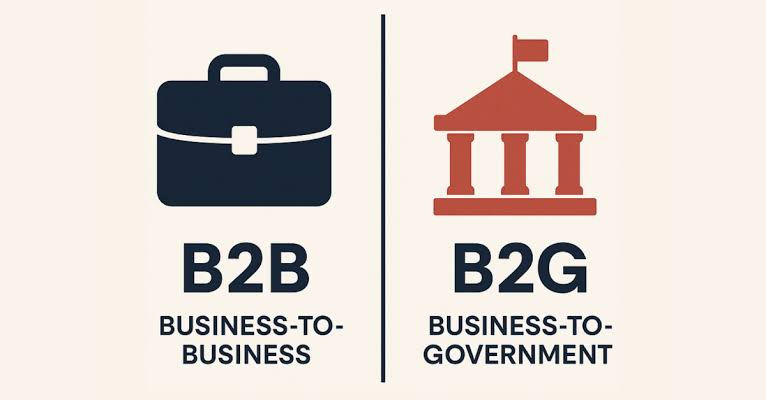
For high-growth companies in regulated sectors like clean energy, logistics, infrastructure, and defense tech, venture capital is no longer the only viable option. Today, some of the most reliable capital engines are found in the public sector.
Local, state, and federal entities award billions in non-dilutive grants, green subsidies, and commercial procurement contracts. Landing a major public sector contract validation provides recession-proof revenue and boosts enterprise valuation.
However, the Business-to-Government (B2G) market has a notoriously steep learning curve.
Many executive teams treat public RFPs like standard commercial sales cycles. They submit slick sales pitches, only to be immediately disqualified by complex compliance checks.
Winning in the public sector requires transitioning from pure marketing to rigorous regulatory navigation and advocacy.
1. Defeating the Procurement Filter
Government procurement officers do not evaluate vendor relationships the way corporate buyers do. Their primary metric is risk mitigation, not innovation.
If your proposal deviates slightly from rigid technical guidelines, automated filtering systems will discard it. Securing public funding requires mapping out procurement criteria months before an RFP is issued. You must ensure your software architecture, data security, and operational reporting align exactly with institutional expectations.
2. Navigating Local vs. Federal Gatekeepers
A common error is treating municipal, state, and federal public procurement as identical ecosystems.
A federal agency may prioritize long-term scalable infrastructure. A local city council, however, often scores bids based on local economic impact, union labor compliance, and immediate regional visibility. Winning at the local level requires localized advocacy. You must align your commercial goals with the public-policy objectives of local elected officials.
3. Turning Compliance Into a Competitive Moat
The rigorous compliance tracking required for government work—such as SOC 2 auditing, buy-American provisions, or strict labor guidelines—is often viewed by founders as a roadblock.
Strategic market leaders view compliance as an entry barrier that keeps competitors out. Once your firm masters the operational tracking required for public contracts, you build an institutional moat that makes it very difficult for agile startups to displace you.
The Bottom Line
Public capital accelerates corporate expansion without diluting your cap table. To win public contracts, look past the administrative hassle and build a specialized government relations framework.
🏛️ Secure Your Share of Public Sector Contracts
Don't let regulatory friction stand between your business and multi-million dollar public contracts. At Audenter Growth Advisors, we specialize in guiding enterprise growth through regulatory navigation, public procurement, and grant support.
Ready to systematically unlock the B2G market?
Contact our Government Relations team for a Procurement Readiness Audit.


Comments